Pet Pain Management in Chilliwack for Dogs and Cats
At Promontory Animal Hospital, we manage pain in dogs and cats at our clinic on Thomas Road in Chilliwack. Pain is easy to miss and often very treatable, so we build a personalised plan for recovery after surgery, arthritis and chronic pain, aimed at helping your pet move, eat and rest more comfortably.
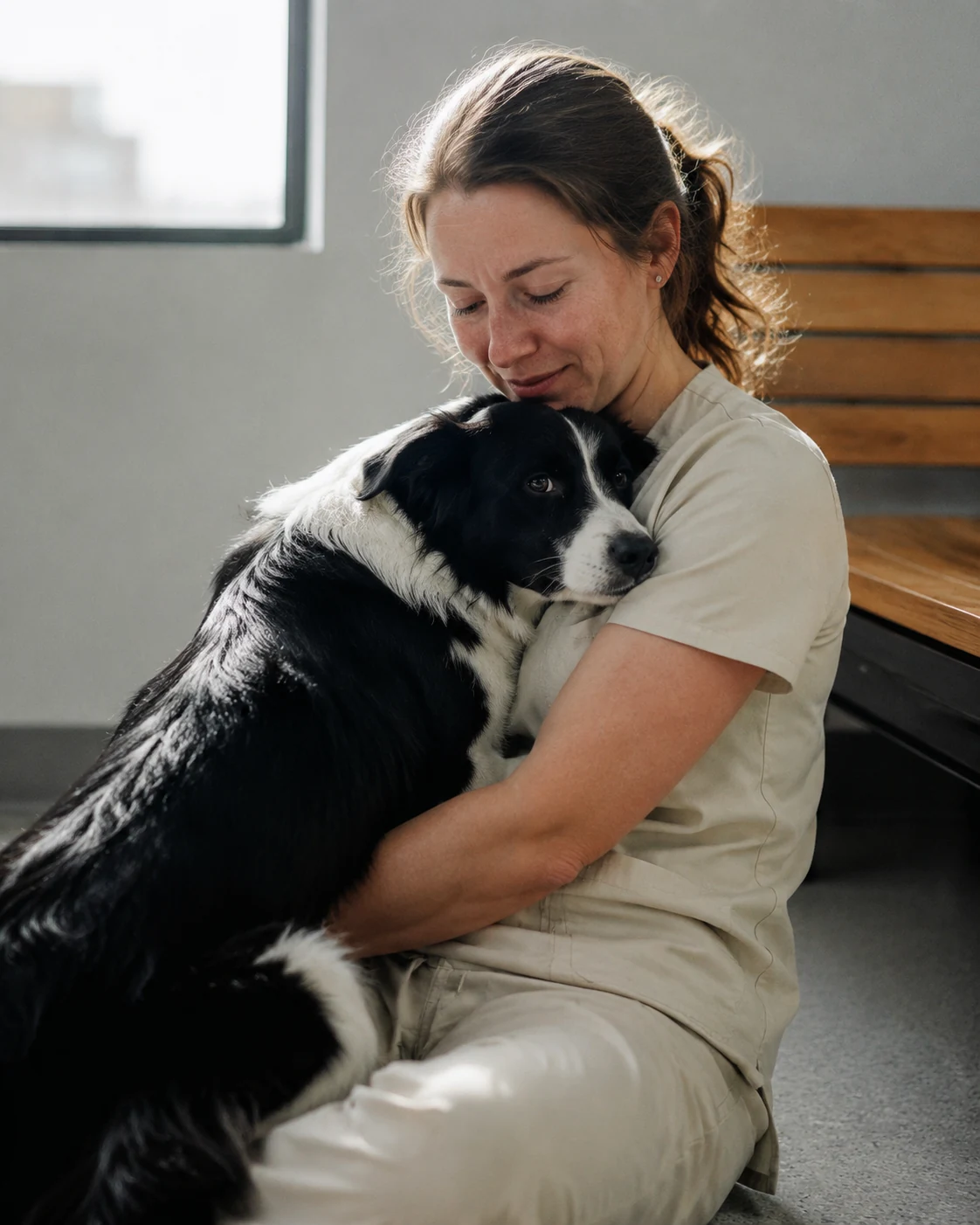
How does pet pain management work?
Pet pain management starts with an exam to find where the pain comes from and how severe it is. At our clinic in Chilliwack, we then build a personalised plan for your dog or cat, which may combine pain medicine, therapeutic laser therapy, weight and activity changes, and regular rechecks to adjust the plan as your pet changes.
How to tell if your dog or cat is in pain
Pets rarely cry out. Most pain shows up as small changes that build over weeks:
- Changes in movement: stiffness after rest, limping, slowing on walks, avoiding stairs
- Changes in behaviour: hiding, snapping when touched, less play, restless nights
- Physical signs: licking one spot, a hunched posture, panting at rest, eating less
- In cats: missing the litter box, grooming less, no longer jumping up
What we treat
We manage pain in three main situations:
- Recovery after surgery, such as spay and neuter
- Arthritis and joint pain, including cat arthritis, which cats hide well
- Chronic pain from long-term conditions
- Pain in older pets, alongside senior pet care
Dog pain relief and cat pain relief, planned for your pet
Dog pain relief is not the same as pain relief for a cat. Cats process many medicines differently from dogs, and a medicine that suits one species can be dangerous for the other. That is why we examine your pet first and choose treatment for that animal, at that weight and age.
The plan we build can include pain medicine prescribed for your pet, therapeutic laser therapy, weight management to take load off sore joints, and changes to exercise and your home setup. Some pain medicines are processed by the liver and kidneys, so we often recommend blood work before and during long-term use. All our blood work is run in-house.
Never give human pain relievers
Pain relievers from your own medicine cabinet can be toxic to dogs and cats, even in small doses. If your pet has swallowed one, call us straight away on 604-991-2745 during our hours (8:00am to 8:00pm, seven days a week), or a 24-hour veterinary hospital outside them. See emergency and urgent care for other signs that need to be seen the same day.
When pain needs orthopaedic surgery
Pain from a torn cruciate ligament or a fracture may need surgery. TPLO and other orthopaedic surgery are performed at our clinic by a visiting specialist. See TPLO surgery and orthopaedic surgery.
How do I know if my dog is in pain?
Look for changes rather than crying out: stiffness after rest, limping, reluctance to jump or climb stairs, licking one spot, irritability when touched or restlessness at night. If you notice any of these, book an exam so we can find the cause.
Can I give my dog or cat human pain medicine?
No. Human pain relievers can be toxic to dogs and cats, even at small doses. Call us before giving any medicine, and bring a list of everything your pet already takes to the appointment.
Is cat arthritis common?
Yes, especially in older cats, and it is often missed because cats hide pain well. Signs include missing the litter box, grooming less and no longer jumping onto favourite spots. An exam with us can tell whether joint pain is the cause.
Will my pet need pain medicine for life?
It depends on the cause. Pain after surgery is usually short term, while arthritis is often managed long term with a plan we review and adjust as your pet ages. You approve a written estimate before any procedure begins.
Related care at our clinic
Worried your pet is sore?
We open in late October and are accepting new clients now. Join the waitlist, or call 604-991-2745 to talk through what you are seeing.
What you can count on
- A written estimate you approve before any procedure begins
- Open 8:00am to 8:00pm, seven days a week
- Accepting new clients, opening late October
- On Thomas Road in Chilliwack, with free parking