Orthopaedic Surgery
Orthopaedic Vet Surgery for Dogs and Cats in Chilliwack
A broken leg, a slipping kneecap or a limp that will not settle: we examine and X-ray your pet first.
Promontory Animal Hospital provides orthopaedic care for dogs and cats in Chilliwack. At our Thomas Road clinic, our veterinarians diagnose broken bones, a luxating patella and the cause of a limp, and relieve pain.
- Thomas Road, Chilliwack
- Open 8:00am to 8:00pm, seven days a week
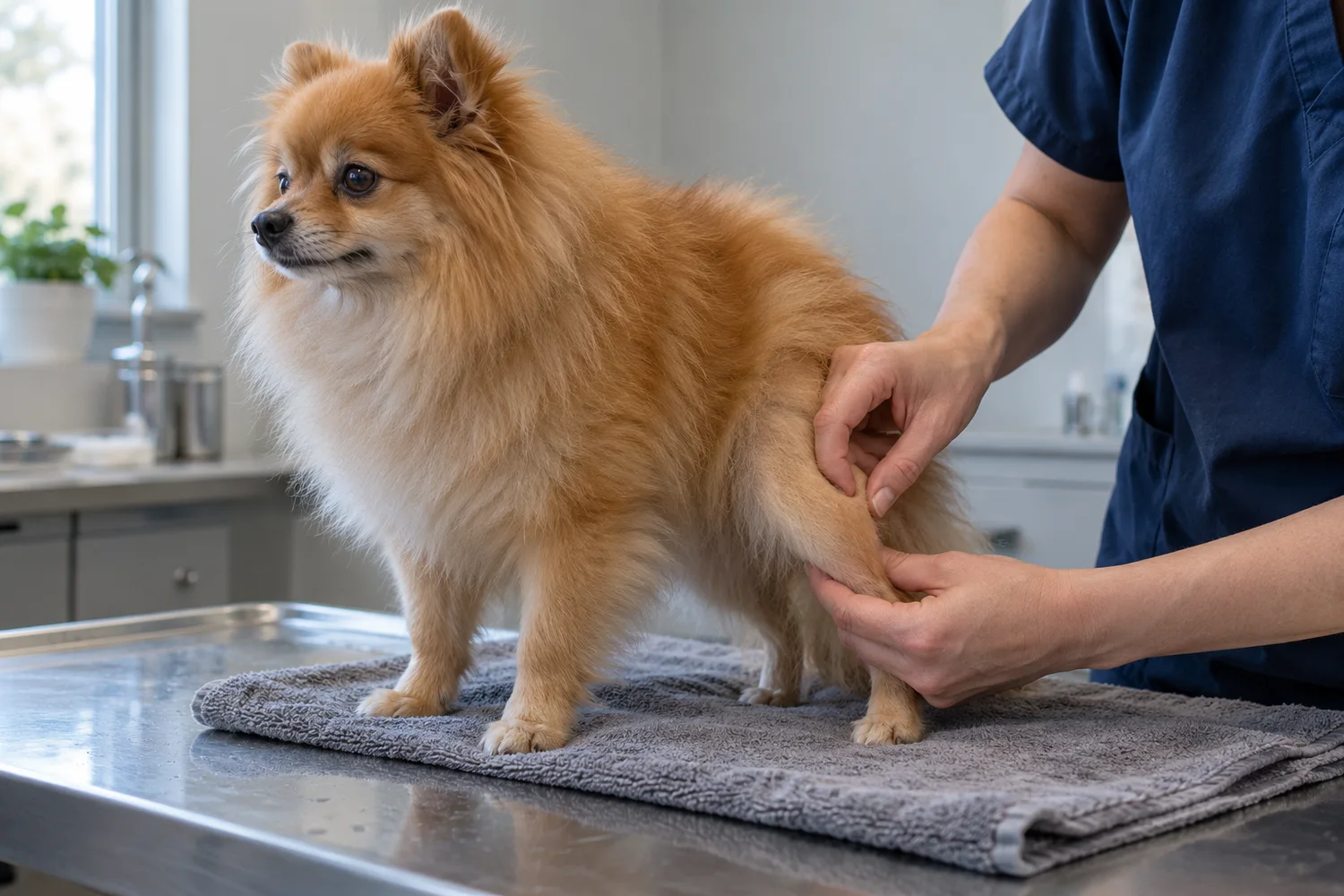
Who examines your pet, and who performs the surgery
Our veterinarians examine your pet, use our in-house digital X-ray, relieve pain and stabilise them.
Fracture repair and luxating patella surgery are performed at our clinic by our experienced in-house surgeons or a visiting specialist, depending on your pet's needs and the complexity of the procedure.
We provide efficient, coordinated surgical care tailored to each patient. We also offer TPLO surgery for dogs with a torn cranial cruciate ligament, helping pets access advanced orthopaedic treatment with care and convenience.
What to do if your pet has a broken leg
If your pet will not stand on a leg after a fall or collision, keep them still and bring them in for same-day urgent care.
Signs of a break:
-
Holding the leg up, though some pets still bear a little weight.
-
Swelling or bruising.
-
Pain when the leg is touched.
-
A leg at an odd angle.
On the way in:
-
Keep your pet still in a crate or small space.
-
Carry a dog that cannot walk in a blanket.
-
Do not straighten, test or splint the leg, and give no human pain medication.
-
A pet in pain may bite, so touch the leg as little as possible.
We welcome walk-ins for urgent cases, seven days a week. For routine appointments, booking ahead is recommended. The same day, our veterinarians examine your pet, take X-rays, give pain relief and stabilise them.
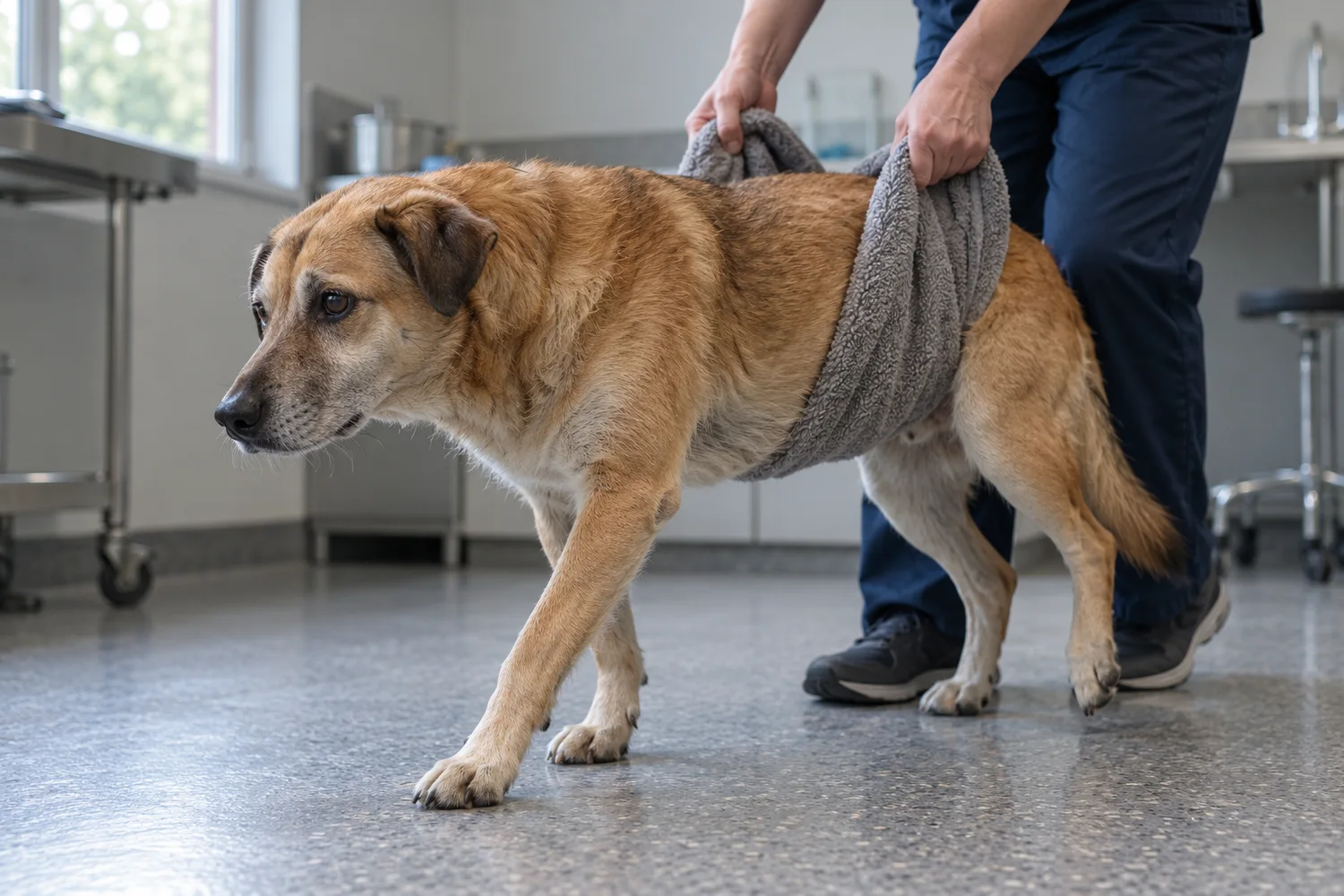
How dog fracture repair works
The X-rays show which repair a break needs. Some breaks, often incomplete ones in young dogs, heal in a splint or cast. A break in a bone that carries weight or moves a joint generally needs surgery, which holds the bone still with plates, pins or external fixators (a frame outside the leg).
Cat fractures
Cats often break a leg in a fall from a window or balcony (high-rise syndrome), or in a road accident or fight. Cats hide pain, and a fall can also injure the chest or abdomen, so our veterinarians examine the whole cat. We discuss the options with you after the X-rays.
Why is my dog limping on a front leg?
Our veterinarians look for the cause at the exam. Common causes include:
- A torn nail, a cut pad, or a thorn or grass awn between the toes.
- A strain or sprain.
- A dislocated joint or a broken bone.
Come in straight away if your dog will not bear weight, the leg is swollen or bent, or the limp followed a fall or accident.
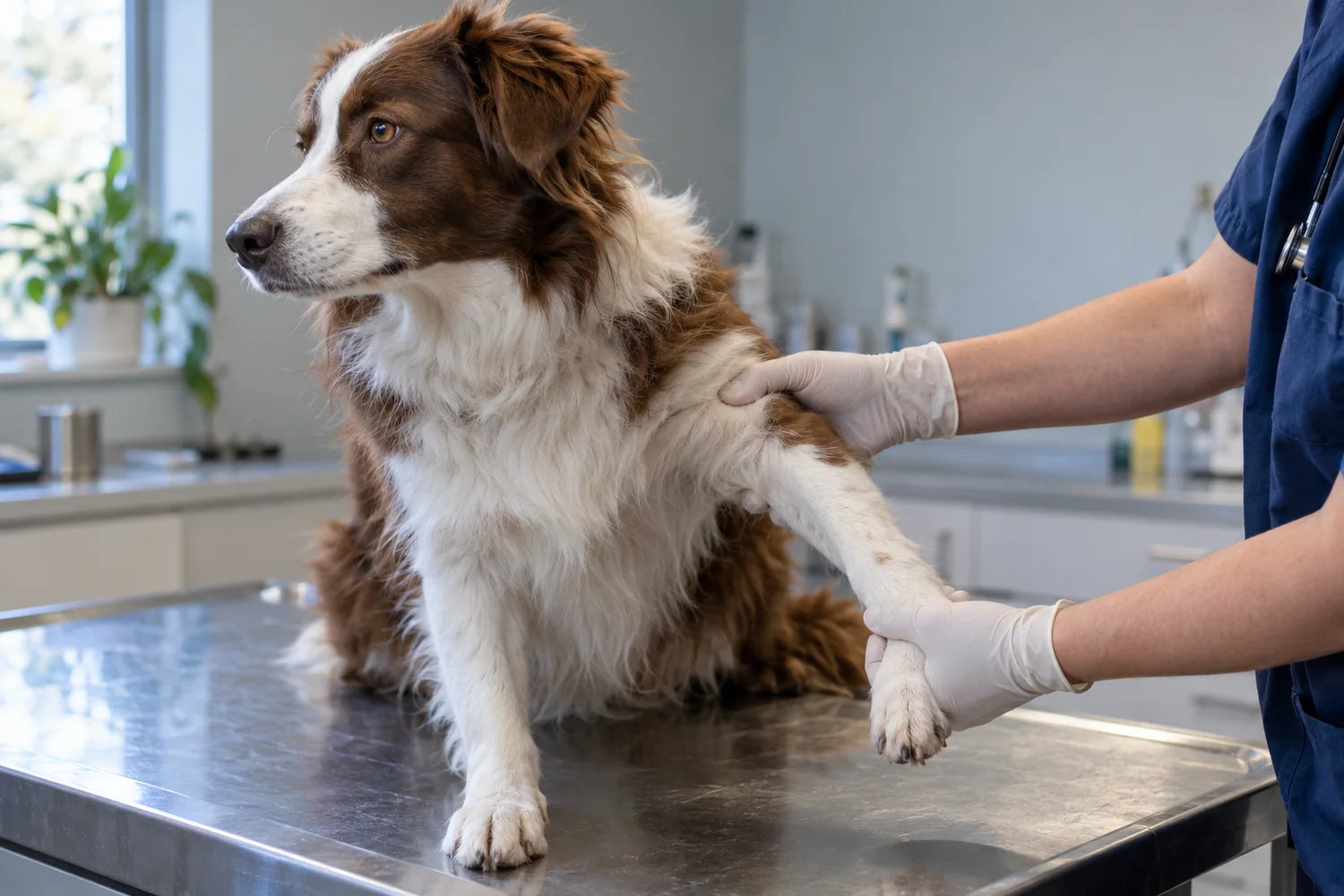
What is a luxating patella in dogs?
Patellar luxation, or a luxating patella, means the kneecap slips out of its groove, the trochlear groove, at the end of the thigh bone. The classic sign is the skip: a sudden hop on a back leg, then normal walking.
Luxating patella grades, 1 to 4
We grade the knee by hand, from 1 (mildest) to 4 (most severe), as the Merck Veterinary Manual describes them:
- Grade 1: slips out only when pushed, then returns by itself.
- Grade 2: slips out on its own and stays out until the leg is straightened or it is put back.
- Grade 3: out most of the time, and slips out again soon after it is put back.
- Grade 4: out permanently and cannot be put back.
The kneecap can slip toward the inside or outside of the knee (medial and lateral luxation). Toy and small breeds such as Pomeranians, Yorkshire Terriers, Chihuahuas and toy Poodles are affected most, usually medially. Large breeds and cats can have it too.
When is luxating patella surgery needed?
Treatment for luxating patella in dogs depends on the grade and whether the dog is lame, and our veterinarians recommend a plan after the exam. Surgery is typically recommended for grades 2 to 4, or for marked or worsening lameness.
Mild cases are often managed with controlled exercise, weight management for dogs and pain relief for dogs and cats.
Surgery usually deepens the groove and balances the tissue around the knee, and sometimes moves the kneecap tendon attachment (tibial crest transposition).
At Promontory Animal Hospital, we offer fracture repair and luxating patella surgery, performed by our experienced in-house surgeons or a visiting specialist, depending on the complexity of the procedure and your pet's individual needs. We also offer TPLO surgery for dogs with a torn cranial cruciate ligament, providing comprehensive orthopaedic surgical care for dogs in Chilliwack and surrounding communities.
Before and after orthopaedic surgery
Before and during
- We give you a written estimate you approve before any procedure begins.
- Pre-anaesthetic bloodwork checks liver and kidney function, and higher-risk pets are identified before anaesthesia.
- Whenever your pet has an anaesthetic, our veterinary staff monitor oxygen levels, heart rate and blood pressure continuously throughout it.
After
- Restricted activity continues until X-rays confirm healing. For fractures, the American College of Veterinary Surgeons gives healing a minimum of 4 weeks in young puppies and 8 weeks in adults.
- We also offer laser therapy for post-operative recovery.
How much does orthopaedic surgery cost?
The cost depends on what the exam and X-rays find, and is set out in a written estimate first.
What shapes the estimate
The estimate reflects the condition, the type and position of a break, the grade and number of knees involved, and your pet's age and health.
Financing and payment
We accept Visa, Mastercard, American Express, Interac debit and cash, and financing is available through iFinance.




Explore more of our services
Pet dental care
Cleanings, dental X-rays and extractions for dogs and cats.
Dog and cat dental cleaningDiagnostics & imaging
Digital X-ray and in-house diagnostics to find what hurts.
Pet X-ray and diagnosticsPet vaccinations
Core and lifestyle vaccines for dogs and cats.
Dog and cat vaccinationsParasite prevention
Protection from fleas, ticks, heartworm and intestinal worms.
Flea, tick and worm preventionQuestions about orthopaedic surgery
Call 604-426-1057Reviewed by our veterinarians, Dr Gurpreet Kaur, DVM, and Dr Ravinder Singh, DVM.
My dog is limping but shows no sign of pain. Should we still come in?
Dogs often hide signs of pain, so even if your dog seems happy and is wagging their tail, a limp may indicate an underlying injury or orthopaedic condition. If your dog is limping, favouring a leg, or having difficulty walking, our veterinarians at Promontory Animal Hospital in Chilliwack can assess the cause and recommend appropriate treatment. Taking a short video of your dog walking at home can also help us evaluate their movement during the veterinary examination.
Should you walk a dog with luxating patella?
Whether you should walk a dog with a luxating patella depends on the severity of the condition and your dog's comfort and mobility. Our veterinarians at Promontory Animal Hospital in Chilliwack can recommend an appropriate exercise plan after examining your dog's knee. For mild cases, controlled exercise and maintaining a healthy weight can help manage the condition. However, these measures do not correct the kneecap displacement, and some dogs may benefit from luxating patella surgery depending on the severity of the condition.
How long is luxating patella surgery recovery?
The American College of Veterinary Surgeons says most dogs need several weeks of rest after kneecap surgery, especially when the bone has been cut, and X-rays are usually repeated to check healing. The plan depends on what the surgery involved.
How much does luxating patella surgery cost?
Cost depends on the grade, whether one or both knees are affected and which procedures the knee needs, so there is no single price. After our veterinarians examine your dog, you receive a written estimate to approve before surgery begins.
Can a dog's broken leg heal on its own?
A broken leg in a dog rarely heals properly without appropriate veterinary treatment. Without proper stabilisation, a fracture can cause ongoing pain, delayed healing, and damage to surrounding muscles, nerves, and blood vessels. At Promontory Animal Hospital in Chilliwack, our veterinarians assess suspected fractures and use X-rays to determine the location and severity of the break. Depending on the type of fracture, treatment may involve splinting, casting, or fracture repair surgery to help the bone heal properly and restore mobility.
Does pet insurance cover orthopaedic surgery?
Each policy sets its own coverage, so your insurer confirms what your plan pays for. We accept pet insurance. We provide the invoices and documentation you need to submit your claim. The insurers we work with include Trupanion, Petsecure, Fetch and Pets Plus Us.
Book an exam for a limp, a broken leg or a slipping kneecap
We are accepting new clients at our Thomas Road clinic in Chilliwack, serving Sardis, Promontory, Vedder and Yarrow. We are open 8:00am to 8:00pm, seven days a week. Register as a new client, or see other surgery at our clinic.
What you can count on
- Open 8:00am to 8:00pm, seven days a week
- A written estimate you approve before any procedure
- Digital X-ray and diagnostics in-house
- Accepting new dog and cat clients